

Leaves, Soil, and the Patience We Have Forgotten
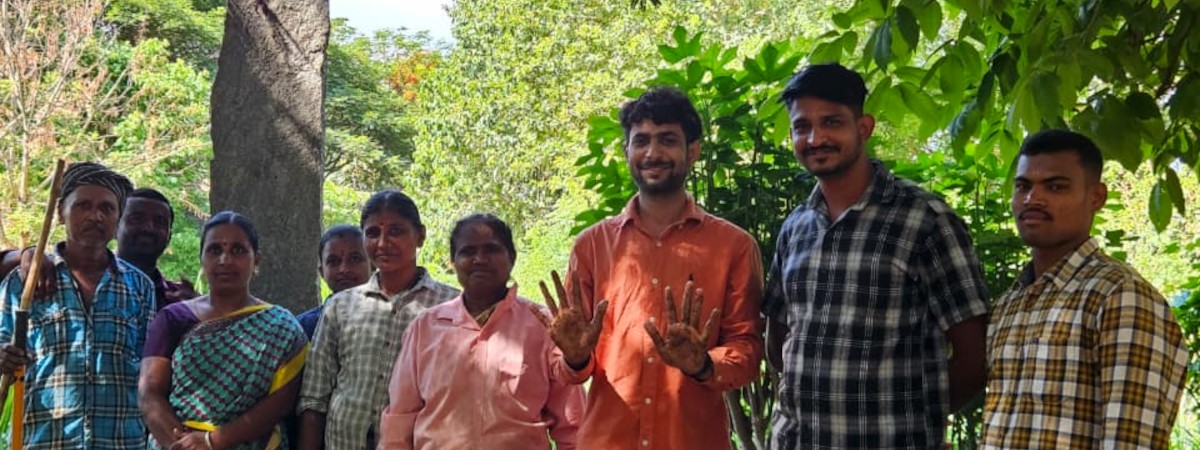
During my orientation program as a Teach For Nature (TFN) Fellow, in one of the sessions I found myself participating in a leaf composting activity as a learner. It sounds small. Almost insignificant. And yet, the experience stayed with me in a way that many large conversations on climate never do.
Arriving at the Compost Pit
When I reached the space, there was no rush. No urgency of “finishing a task.” Just a group of people gathered around a shallow pit, with piles of dry fallen leaves lying nearby.
For a moment, it looked like something I’ve seen a hundred times along roadsides leaves waiting to be swept away or burned. But here, they were being prepared for something else.
Something slower. Something intentional. Something meaningful.
Building the Layers, Step by Step
We began with care.
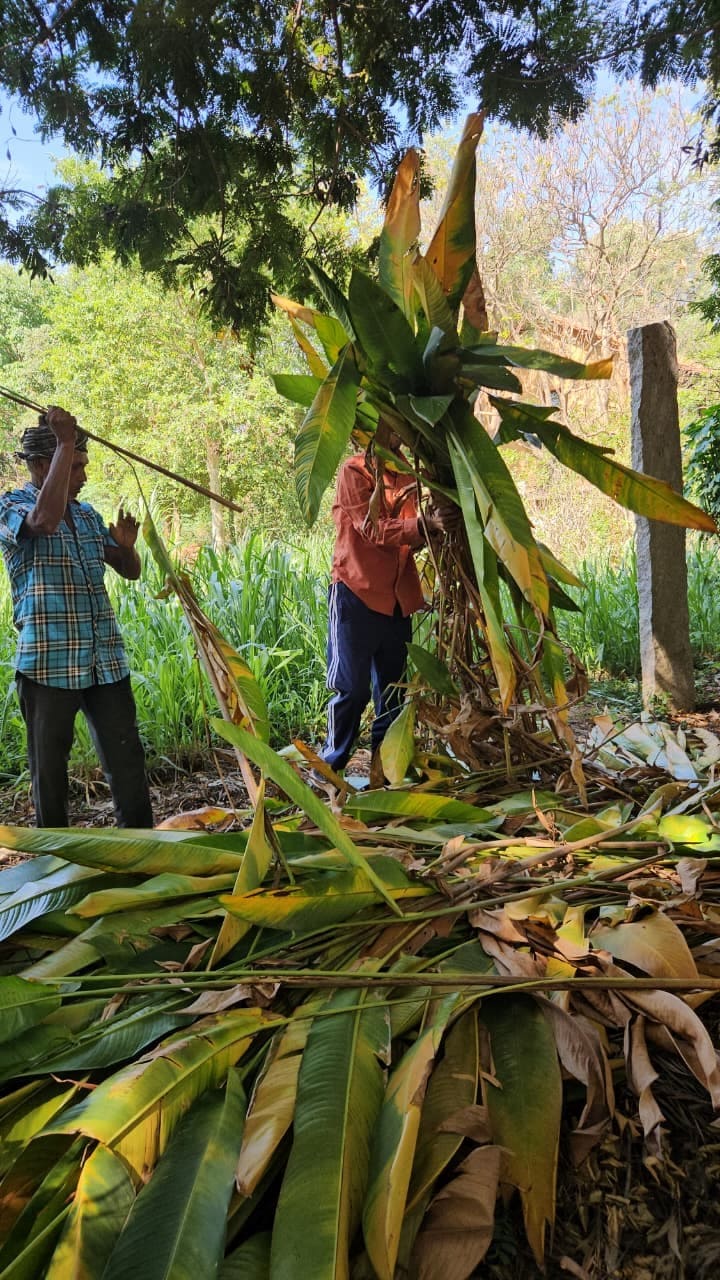
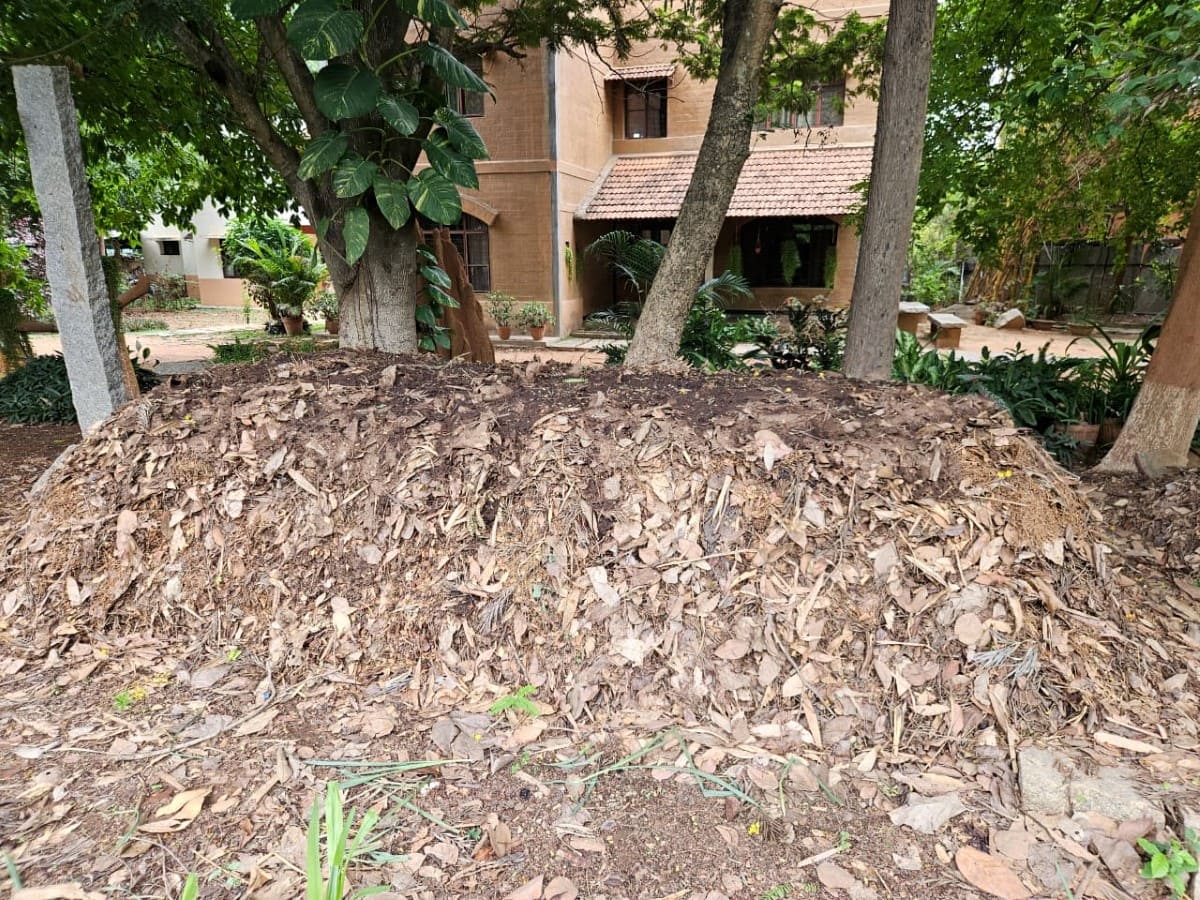
The first layer was made of fresh green banana leaves soft, moist, and full of life. It struck me that even the beginning of this process wasn’t “waste,” but living material supporting what comes next. On top of that, we added a thick layer of dry fallen leaves leaves that had completed their journey on trees, and which, in most places, would have been burned within minutes.
Then came water sprinkled gently. Not too much, not too little. Just enough to bring moisture into the system. It felt almost like waking the leaves up again.
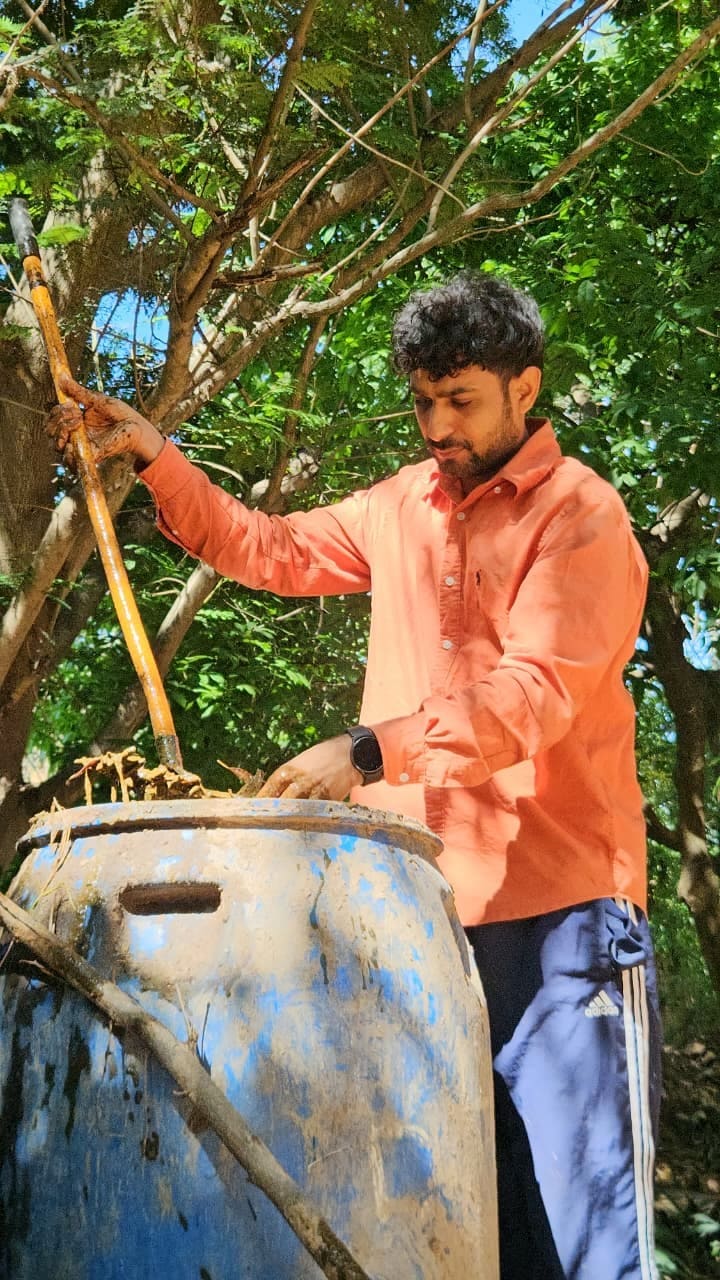
After that, we poured a slurry of cow dung mixed with water over the layers. The smell, the texture, the rawness this is something urban life has conditioned us to avoid. But standing there, I realised how essential it is. Cow dung, rich in microorganisms, activates the decomposition process in the most natural way.
And then came what looked like the smallest step, but carried the deepest meaning we added a handful of old compost.
I remember holding it in my hand for a moment longer.
This was not just soil. It was living material, full of microorganisms that would now transfer into this new pile and help it decompose.It felt like continuity one cycle of life quietly supporting another.
Not Waste. A Living Process
As we built the layers, a thought kept returning: Outside this space, these same leaves are a problem. Here, they are a resource. What changed?
Nothing about the leaves. Only our mindset.
In cities, we are conditioned to think in terms of disposal: Clean it. Remove it. Burn it. Throw it.
We rarely think in terms of returning.
Leaf burning, so common across India, is seen as a quick fix. But in reality, it releases harmful smoke, particulate matter, and carbon into the air while destroying something that could have nourished the soil.
In that compost pit, the contrast was clear: Burning is fast, but destructive. Composting is slow, but regenerative. The Waiting 3 to 4 Months of Transformation.
What we created that day will not give instant results. It will take three to four months. Time, moisture, microorganisms, and care will slowly transform those layers into rich, dark, organic compost completely free from chemicals.
And what I appreciated deeply was this:
The compost will not leave the campus. It will be used within Bhoomi College itself in vegetable patches, helping grow food.
This is what a real cycle looks like: Leaves fall. Leaves decompose. Compost enriches soil. Soil grows food. Food sustains life.
No waste. No excess. No disconnection.
What I Felt in That Moment
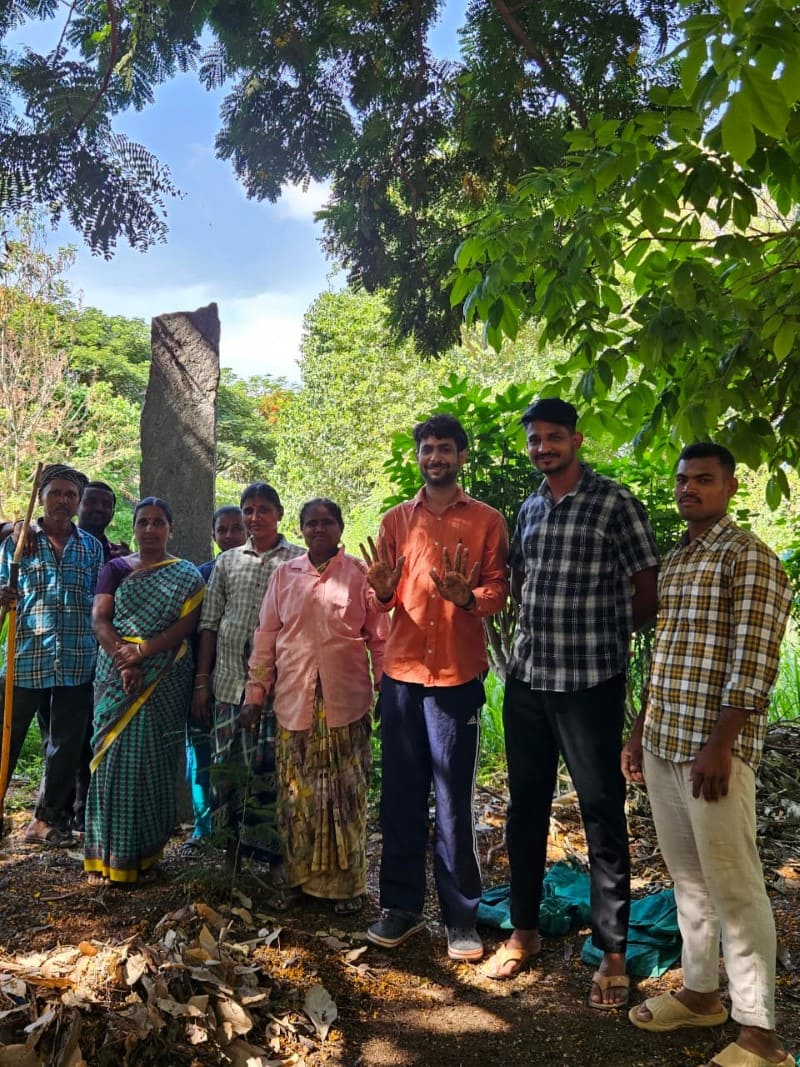
Standing there, with soil on my hands and the smell of earth around me, I felt something I don’t often feel in structured environments.
I felt connected. Not in an abstract “climate change” way but in a physical, immediate way.
I realised how far we have distanced ourselves from processes like this. We want clean spaces, quick solutions, instant results. We don’t want to wait. We don’t want to touch. We don’t want to engage.
And somewhere along the way, we lost our relationship with mitti.
We call soil “dirt.”
We call leaves “waste.”
But both are simply life in transition.
A Quiet but Powerful Lesson
As someone working in sustainability, I often engage with policies, campaigns, workshops, and systems thinking. But that day reminded me of something essential:
Real sustainability is not always loud. It is often quiet, slow, and deeply rooted. It doesn’t always need innovation. Sometimes, it needs observation. Sometimes, it needs participation.
Walking Away With a Question
As I stepped away from the compost pit that day, still within the ongoing orientation at Bhoomi College, it didn’t feel like I had just completed an activity.
It felt like I had become part of a process much larger than myself.
And I carried one simple question with me: The next time I see a pile of fallen leaves will I still see waste, or will I see soil in the making?
Because the truth is, many of our environmental solutions are not far away. Sometimes, they are lying quietly on the ground waiting for us to understand them.
-----
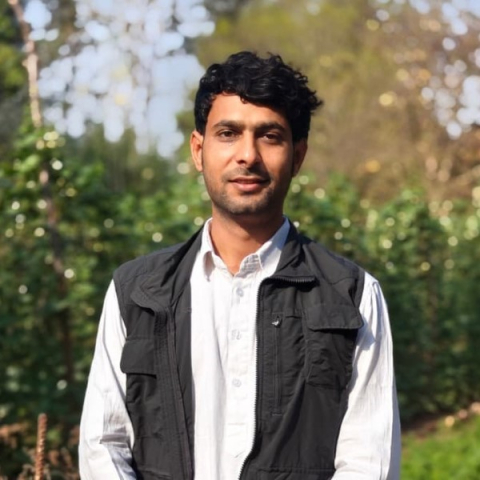 Shared by Sandy Khanda, Teach for Nature Fellow, 2026 Batch, Gurugram, Haryana